五洞抓狐问题
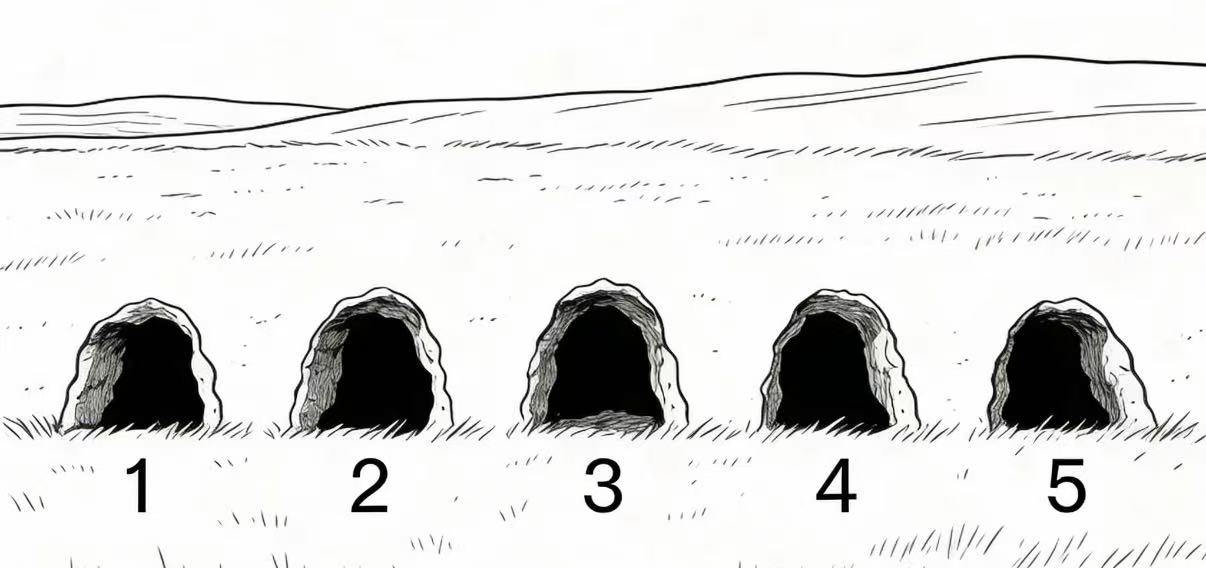
网上看到一个非常有趣的问题,据说是谷歌的一个面试题。题目如下:草原上有五个排成一排的洞穴,里面藏有一只小狐狸,这只狐狸每天晚上必换洞,并且只能走到左右相邻的洞里。我们每天也只能打开一个洞穴抓它。问是否有方法能必然抓到这只小狐狸?
答案是有的,里面涉及了一个非常巧妙的分析算法。根据算法写的模拟代码如下,具体分析在最下面。
import random

def get_next_hole(cur_hole):
    if cur_hole <= 1:
        next_hole = cur_hole + 1
    elif cur_hole >= 5:
        next_hole = cur_hole - 1
    else:
        next_hole = cur_hole + random.choice([-1, 1])
    return next_hole

def caught_fox_in_hole():
    cur_hole = random.choice([1, 2, 3, 4, 5])
    guess_it = 2
    steps = 0
    caught = False

    while not caught:
        steps += 1
        caught = (guess_it == cur_hole)
        cur_hole = get_next_hole(cur_hole)
        if guess_it >= 4:
            guess_it = 2
        else:
            guess_it += 1

    print(f"Fox caught after {steps} steps")
    return steps

if __name__ == '__main__':
    total = 10000
    sum = 0
    for i in range(total):
        sum += caught_fox_in_hole()

    print(f"Average steps to catch the fox over {total} trials: {sum / total}")
问题分析
题目中的关键信息是狐狸只能移动到相邻的格子中,这在洞穴号码体现的就是从奇数到偶数,或从偶数到奇数。
我们首先假设狐狸在偶数号洞中。
- 打开2号,如果不在,那它就是在4号
- 第二天,它会从4号移到3或5号,我们打开3号,如果不在,那它就是在5号
- 第三天,它从5号必然会移动到4号,我们打开4号,如果还不在,那我们的假设是错的
也就说说这只狐狸最开始在奇数号中。也就是前3天我们完美的错过了它,但第四天它一定是在偶数号中。因为奇->偶->奇->偶
- 第四天,我们直接打开2号,这次我们知道它必然是在偶数号,如果没有,就重复上面的步骤
- 第五天,打开3号
- 第六天,打开4号
最多6天,必然会被抓到。
附上面程序的运行日志,也可以看到,期望值是3.5天。
...
Fox caught after 3 steps
Fox caught after 4 steps
Fox caught after 4 steps
Fox caught after 5 steps
Fox caught after 3 steps
Fox caught after 4 steps
Fox caught after 6 steps
Fox caught after 4 steps
Fox caught after 4 steps
Fox caught after 1 steps
Fox caught after 3 steps
Average steps to catch the fox over 10000 trials: 3.5091